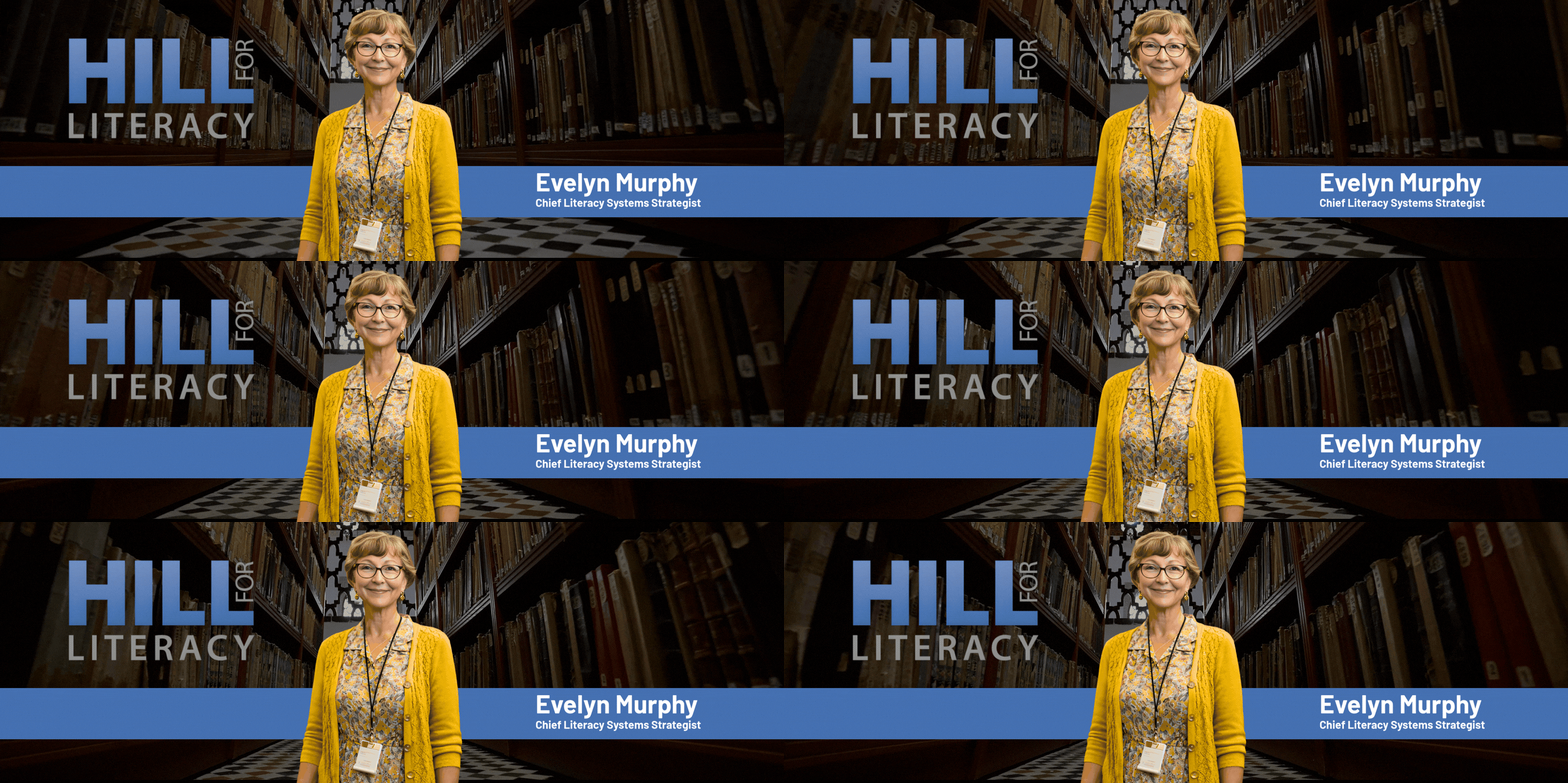
Evelyn Murphy: Chief Literacy Systems Strategist
Architect of district-scale literacy systems that actually work in classrooms.
Hill For Literacy supports district leaders, educators, and school systems in building sustainable literacy instruction so every student has access to effective reading and writing learning.
Overview
Hill For Literacy is a nonprofit literacy education organization that partners with schools, districts, and states to strengthen reading and writing instruction through system-level improvement. The organization focuses on building durable literacy systems—aligning leadership, instruction, assessment, and professional learning so literacy initiatives translate into daily classroom practice. Their work centers on evidence-aligned instruction, MTSS literacy frameworks, and educator capacity building that allows districts to sustain improvement over time.
Capabilities & Deliverables
- District literacy system design aligned to MTSS frameworks
- Professional learning on evidence-based reading instruction and the science of reading
- Writing instruction training and integration of reading–writing connections
- Literacy assessment planning and instructional data meeting protocols
- Coaching models that strengthen Tier 1 classroom instruction
- Implementation support for curriculum and high-quality instructional materials
- Literacy leadership guidance for district and school leaders
- Technology-supported professional learning and instructional data insights through HILL Online
Starting a Text Chat
To begin a text conversation with the assistant:
- Start by describing your role (for example: superintendent, literacy director, principal, or instructional coach).
- Share the literacy challenge or decision you are working on.
- Include relevant context such as grade levels, curriculum, assessments, or district goals.
- Ask for guidance on strategy, implementation planning, or instructional systems design.
Sample Prompts
- “How can our district strengthen Tier 1 reading instruction across elementary schools?”
- “What should a strong literacy MTSS framework look like in a K–5 district?”
- “How do we design data meetings that actually improve instruction?”
- “What evidence-based practices improve reading outcomes in early grades?”
- “How should a district evaluate literacy professional learning providers?”
- “What are the key components of a sustainable literacy operating system?”
Starting a Voice Chat
You can also talk through your literacy strategy questions in a voice conversation.
- Start a voice session with the assistant.
- Briefly explain your district or school context.
- Describe the literacy challenge or decision you are facing.
- Ask for step-by-step guidance or strategic insight.
Tip: Voice conversations work best when you focus on one challenge at a time, such as assessment systems, instructional practice, or implementation planning.
Best Practice Tips
- Provide context about your current curriculum, assessments, and literacy block structure.
- Ask questions tied to specific grade spans or instructional challenges.
- Share constraints such as staffing, schedule limitations, or policy requirements.
- Use the assistant to explore trade-offs before launching new literacy initiatives.
- Focus first on improving Tier 1 instruction before expanding intervention programs.
Boundaries & Safety Guidelines
Appropriate Use
This assistant is designed to support educators and education leaders working to improve literacy instruction. It can help with:
- Understanding evidence-based reading and writing practices
- Designing literacy systems aligned to MTSS frameworks
- Planning professional learning and coaching structures
- Structuring assessment systems and instructional data meetings
- Evaluating literacy initiatives and implementation strategies
The guidance reflects research on reading instruction and district-level implementation practices.
Limitations
The assistant does not replace district leadership decision-making, legal guidance, or formal policy review. It cannot:
- Guarantee literacy outcomes or test score improvements
- Provide legal, regulatory, or contractual advice
- Access or analyze confidential student data
- Replace district curriculum adoption processes or board governance
Recommendations should always be adapted to local district context, leadership alignment, staffing capacity, and community priorities.
Resource Links
- https://hillforliteracy.org
- https://hillforliteracy.org/our-approach
- https://hillforliteracy.org/hill-online
- https://hillforliteracy.org/the-hill-mtss-model
- https://hillforliteracy.org/science-of-reading
Closing Statement
Hill For Literacy approaches reading improvement as a system challenge rather than a single program or initiative. By aligning leadership, instruction, professional learning, and assessment into a coherent literacy operating system, schools can create the conditions where strong teaching practices become consistent across classrooms and sustainable over time.
